
Vancouver Science World Dome Becomes Giant World Cup Ball

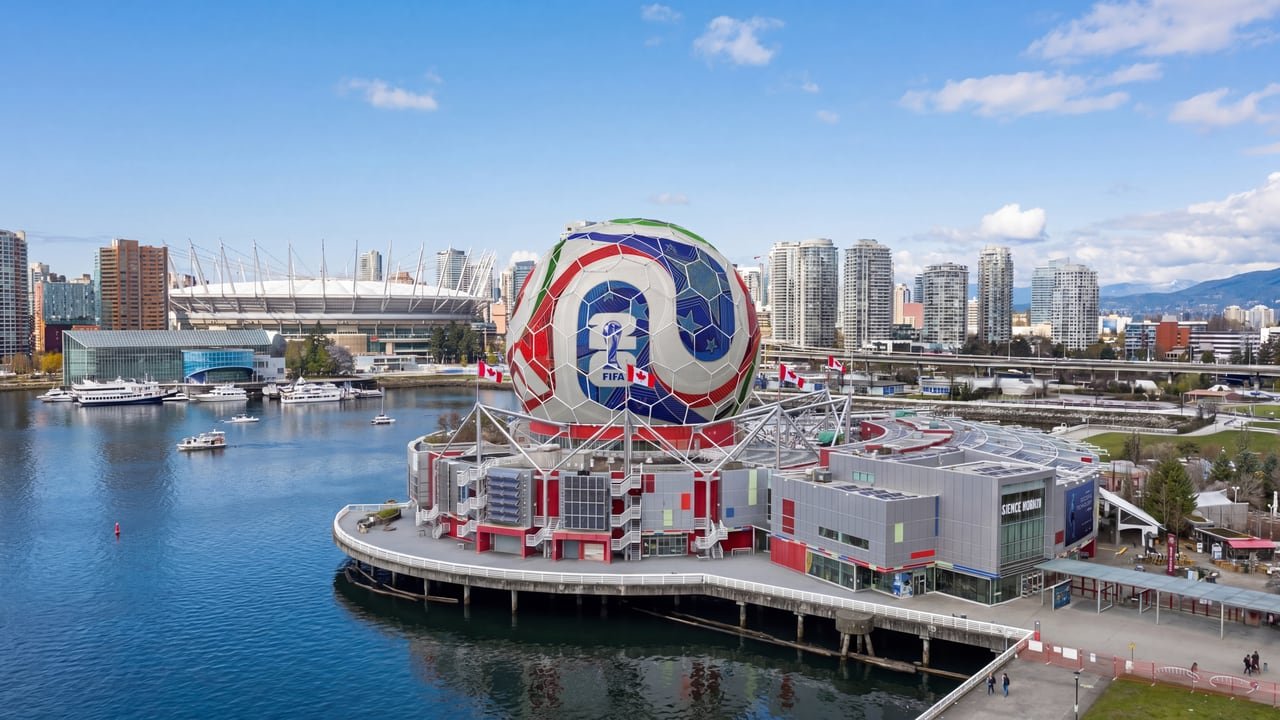
Vancouver is turning Science World's iconic dome into a giant version of the official World Cup 2026 match ball, giving the Canadian host city a bold public symbol before the tournament begins. The project will transform a familiar landmark into a 360-degree, 40-metre-diameter recreation of Adidas' Trionda ball.
The installation will be called The Beautiful Dome, linking the city's Expo 86 history with its World Cup role. Science World's dome first welcomed global attention four decades ago, and the new design gives Vancouver a way to connect that civic memory with another international event.
The timing is useful for Vancouver because host-city promotion is becoming more important as kickoff approaches. Some US markets are watching hotel and visitor projections carefully, but Vancouver is choosing a visible civic display that tells residents and visitors the tournament is arriving.
A landmark installation matters because a World Cup host city is judged beyond the stadium. BC Place will stage matches, but the broader visitor experience includes public spaces, transport routes, local branding, photo moments, restaurants, hotels, and the feeling that the city has made the tournament visible.
The Trionda design is also a useful symbol because the 2026 World Cup is shared by Canada, Mexico, and the United States. A giant match-ball recreation gives Vancouver a simple visual way to join the tournament story without needing a matchday crowd at the stadium.
For supporters, the dome can become a meeting point and a travel marker. Fans often remember major tournaments through landmarks as much as fixtures. A visible city symbol helps visiting supporters orient themselves, take photos, and feel part of an event even on days when they do not hold match tickets.
The installation also has a commercial and civic purpose. Host cities need the World Cup to feel active before and between matches, because visitors spend across multiple days. Public visuals can support tourism campaigns, local media coverage, community programming, and the wider sense that the city is ready for international attention.
Vancouver's move contrasts with the caution in some other markets where spending, hotel demand, and fan travel are being reassessed. That does not mean every city should copy a landmark wrap, but it shows one way to turn preparation into a public asset rather than a behind-the-scenes operations file.
The project still has practical tests. The installation has to be delivered cleanly, photographed well, maintained safely, and connected to the city's wider fan plan. A strong visual launch can create excitement, but it needs transport, crowd management, and matchday information around it to become more than decoration.
BC Place gives the city the football anchor, but the dome can give the tournament a daily public presence. That matters on non-match days, when visitors still need reasons to move through the city, spend locally, and feel connected to the event. A strong landmark can keep the World Cup visible between fixtures.
The installation can also help local residents feel that the tournament belongs to them, not only to travelling supporters. Host-city projects work best when they are recognisable, easy to reach, and tied to a familiar civic space. Science World already has that identity, which makes the ball transformation easier to understand at a glance.
What remains yet to be confirmed is how Vancouver builds the surrounding fan experience around The Beautiful Dome. If it becomes part of a wider city route linking BC Place, waterfront areas, transit, and public programming, it could become one of the tournament's most recognisable host-city images.
Read Also: USMNT goalkeeper race brings the batch back to one of the biggest on-field questions for the host nation.
Related Articles
All News
World Cup 2026 Squad Deadlines Set Key Roster Decisions
World Cup squad rules set May 11 provisional lists, May 25 player release, and June 2 final confirmation for all 48 teams.
Read Article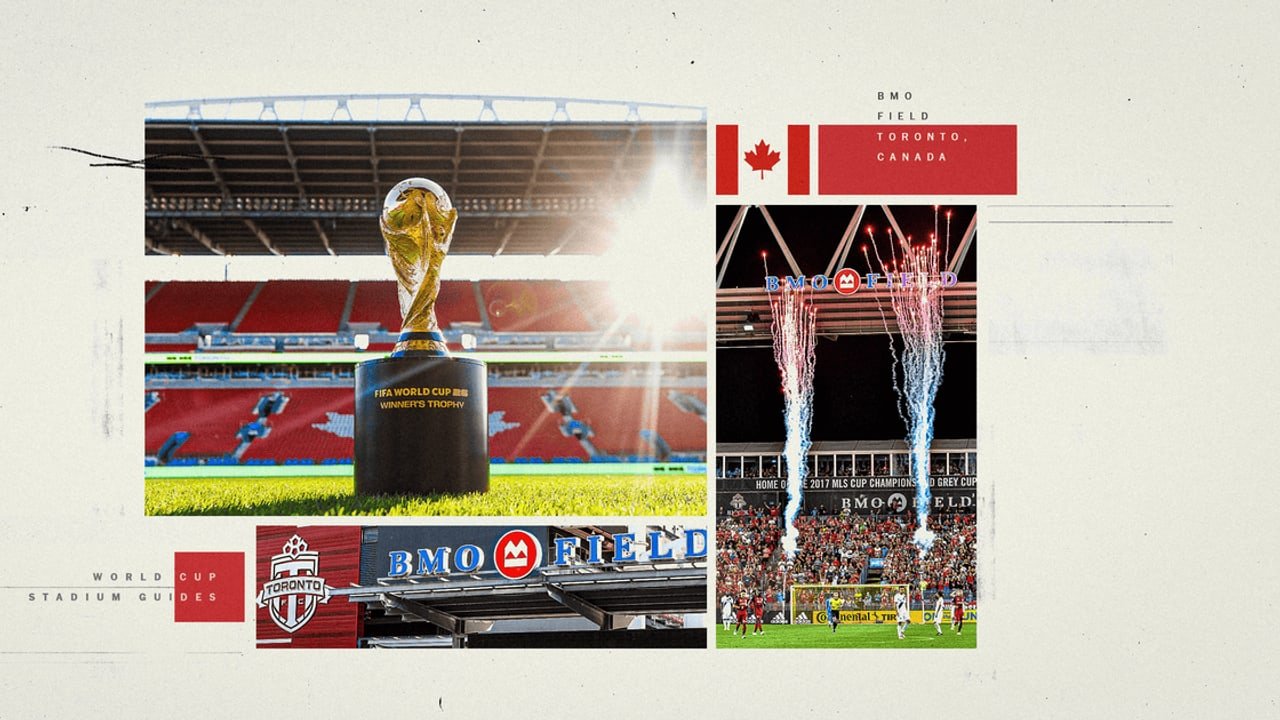
Toronto Stadium Profile Puts Canada's World Cup Atmosphere In Focus
Toronto Stadium will bring Canada's soccer history, lakeside location, and intense home support into the World Cup 2026 venue story.
Read Article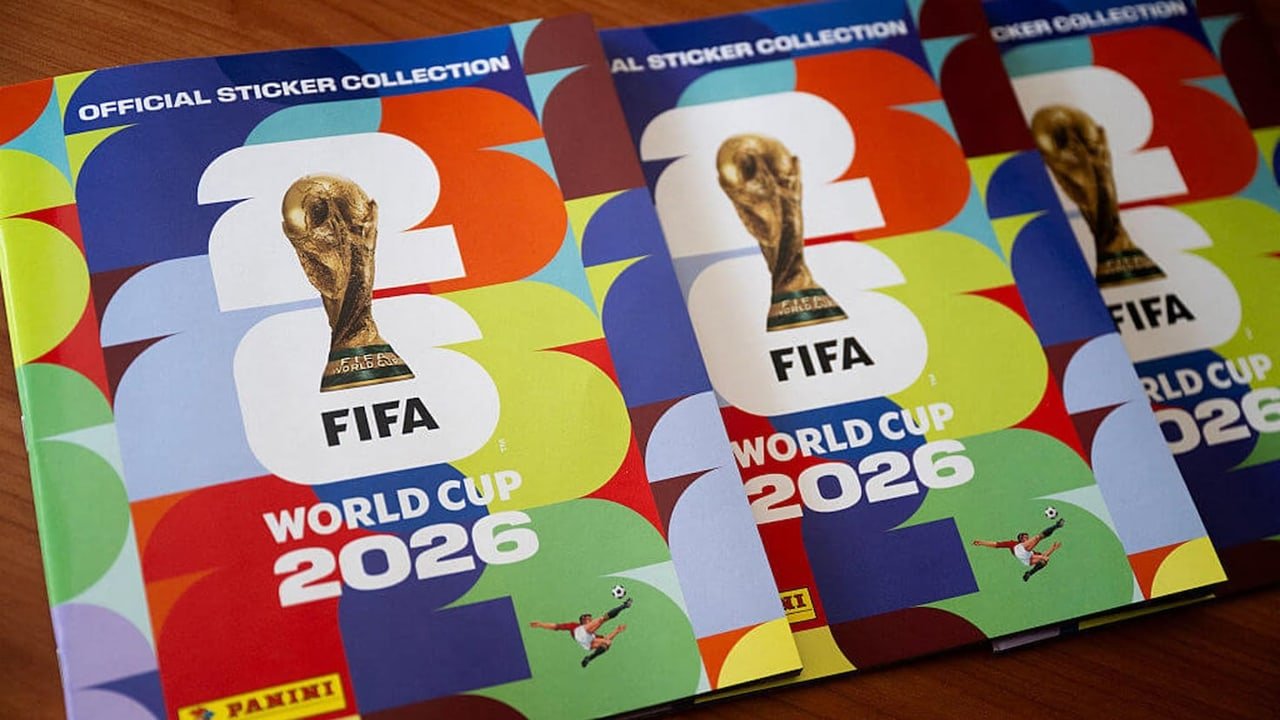
FIFA Ends Panini Sticker Era With Topps Deal From 2031
FIFA has agreed a long-term collectibles partnership with Fanatics and Topps from 2031, ending Panini's World Cup sticker run after the 2030 cycle.
Read Article