
World Cup 2026 Squad Deadlines Set Key Roster Decisions
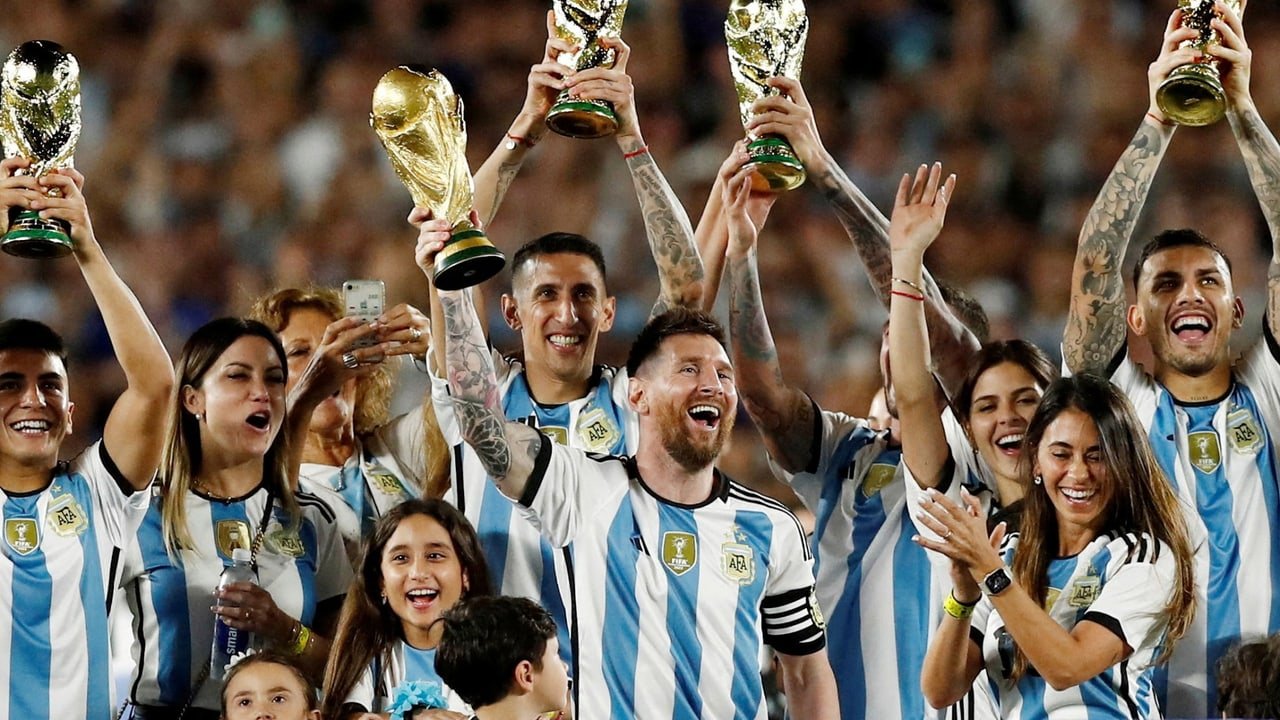
World Cup 2026 squad rules now give all 48 teams a clear roster clock, with provisional lists, player release, and final confirmation tied to firm dates.
The first major step is May 11. National teams must submit a preliminary squad list with at least 35 players and no more than 55 players. That list must include four goalkeepers. It can also include a wider group of team officials, with the coach, team doctor, and team manager counted inside the provisional release structure.
The longlist is more than an administrative form. It becomes the official pool from which injury replacements can be selected before the tournament. That means coaches have to think carefully about players who may not be part of the first-choice squad but could become necessary if fitness problems appear late in preparation.
The next key date is May 25, when clubs are required to release players for national-team duty. That begins the formal rest, mandatory release, and preparation period after the last official club match on May 24. There is an exception for players involved in major club finals, including the UEFA Champions League final on May 30.
Final squads must contain 26 players, and at least three of those players must be goalkeepers. The expanded squad size has remained in place since the Qatar 2022 World Cup, giving coaches more flexibility for injury management, fatigue, and tactical changes during a short tournament schedule.
June 2 is the final squad announcement date from FIFA. National teams can reveal selections earlier if they choose, but the lists are not official until FIFA confirms them on June 2. That distinction matters because a public announcement before that date can still be affected by injuries, late medical checks, or exceptional replacement decisions.
The replacement rule is narrow. A player or goalkeeper named in the final squad can be replaced only because of serious injury or illness, and that change must happen no later than 24 hours before that team's first match. The replacement must come from the provisional squad pool, which makes the May 11 longlist a critical safety net.
These rules will shape how teams handle players returning from injuries. A star who is not fully fit may still make a final squad if the staff believes the recovery timeline works. A player with a less certain outlook could be left on the longlist while the team protects its final roster from unnecessary risk.
For supporters, the practical takeaway is to treat early squad stories carefully. A provisional name does not guarantee a tournament place, and an early national-team announcement is not the same's final confirmation. The official roster picture becomes firm on June 2, then remains subject only to the serious injury or illness replacement rule.
The roster calendar also affects match preparation. Coaches must know who is available before building training units, set-piece groups, and role-specific plans for the opening match. With 48 teams involved, the deadline system gives the tournament a single selection structure while still allowing teams to handle medical uncertainty.
The goalkeeper requirement is one of the most practical parts of the rule. Carrying at least three goalkeepers protects teams from a specialist-position emergency, but it also reduces outfield flexibility. Coaches then have 23 outfield slots to cover every tactical role, injury scenario, and suspension risk across a larger tournament field.
The provisional list also creates a quiet layer of strategy. A team can include players who are recovering, young players who are close to the senior group, and specialists who might be useful if a specific role opens. Once the final list is confirmed, that earlier decision still matters because serious injury or illness replacements must come from the provisional pool.
Read Also: Argentina and Ecuador benefited from a separate eligibility decision after the Otamendi and Caicedo bans were waived for the World Cup openers.
Related Reading
Verified Reporting & Citations
- World Cup squad deadlines and roster rules — Al Jazeera