
US World Cup Security Risk Rises Around Iran Conflict
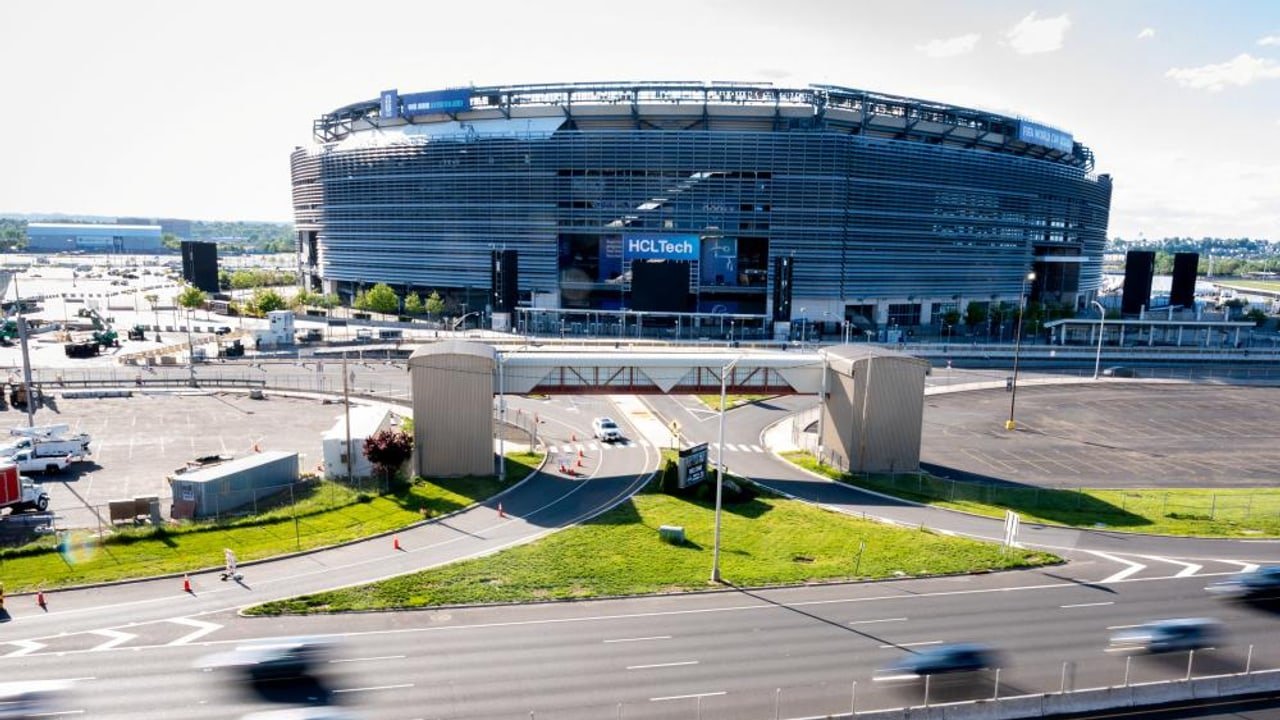
Security planning for the United States portion of World Cup 2026 is under fresh scrutiny prepare for 78 matches across 11 American host cities.
The latest concern is not limited to what happens inside stadiums. Experts are focusing on the wider matchday network around the tournament: hotels, transport hubs, fan festivals, team routes, bars, public viewing areas, and large crowds waiting outside venues. Those locations can be harder to control than ticketed stadium interiors because people move through them at different times and under different security systems.
The United States will stage matches in Atlanta, Boston, Dallas, Houston, Kansas City, Los Angeles, Miami, Philadelphia, the San Francisco Bay Area, Seattle, and East Rutherford. That spread creates a coordination challenge across federal agencies, state authorities, local police, stadium operators, private security, airport teams, transit agencies, and emergency services.
Only the final at MetLife Stadium in East Rutherford has been designated a national special security event. That designation creates a centralized federal security operation with the Secret Service in the lead and wider intelligence and emergency-management coordination. The rest of the U.S. matches are expected to operate under high special-event risk rankings that still require federal support but do not carry the same structure final.
Funding is already part of the preparation picture. FEMA has allocated $625 million for World Cup security and emergency preparedness. The size of the tournament means that money has to support not only match venues, but the surrounding systems that move and protect fans during a 39-day event.
The Iran conflict adds another layer. Iran is drawn into Group G and all of its group-stage matches are in the United States. Security analysts are watching how geopolitical tension could affect fan movement, official delegations, protest activity, and threat monitoring around matches involving Iran or potential later matchups with politically sensitive opponents.
Drone risk is another operational issue. Stadium airspace can be restricted, but large public gatherings away from venues may be more exposed. Counter-drone planning, crowd screening, traffic control, and fast communication between agencies will matter because the tournament is spread across multiple cities rather than concentrated in one security zone.
The challenge is also about stamina. A Super Bowl-style plan is built around one major match. The World Cup requires repeated matchdays, official fan festivals, and international travel over several weeks. Any communication gap between agencies could become more serious when crowds are moving in several cities at once.
For supporters, the practical takeaway is to expect tighter security, earlier arrival advice, stronger bag checks, transport restrictions, and possible drone or traffic controls near match areas. Host cities will want the tournament to feel open, but the security model will have to account for risks beyond the turnstiles.
The soft-target issue is why fan festivals matter. Every U.S. host city is expected to operate official public events with big screens and entertainment, while unofficial watch parties will form around bars and civic spaces. Those crowds may not have the same screening layers entries, yet they can hold thousands of people during the highest-attention matches.
There is also a timing problem. Security teams must protect morning arrivals, afternoon public gatherings, evening matches, and late-night departures. A risk plan built only around kickoff misses the periods when fans are spread through train stations, hotel districts, rideshare areas, and restaurant zones. That wider movement is where communication between agencies becomes decisive.
The safest tournament experience will depend on visible security without freezing the fan experience. That balance is difficult when the same city may host team hotels, fan events, media activity, and match traffic on the same day.
Read Also: Iran visa guarantees have become the next major operations issue team confirms its World Cup participation.