
Toronto BMO Field Test Gives World Cup Venue Readiness Check
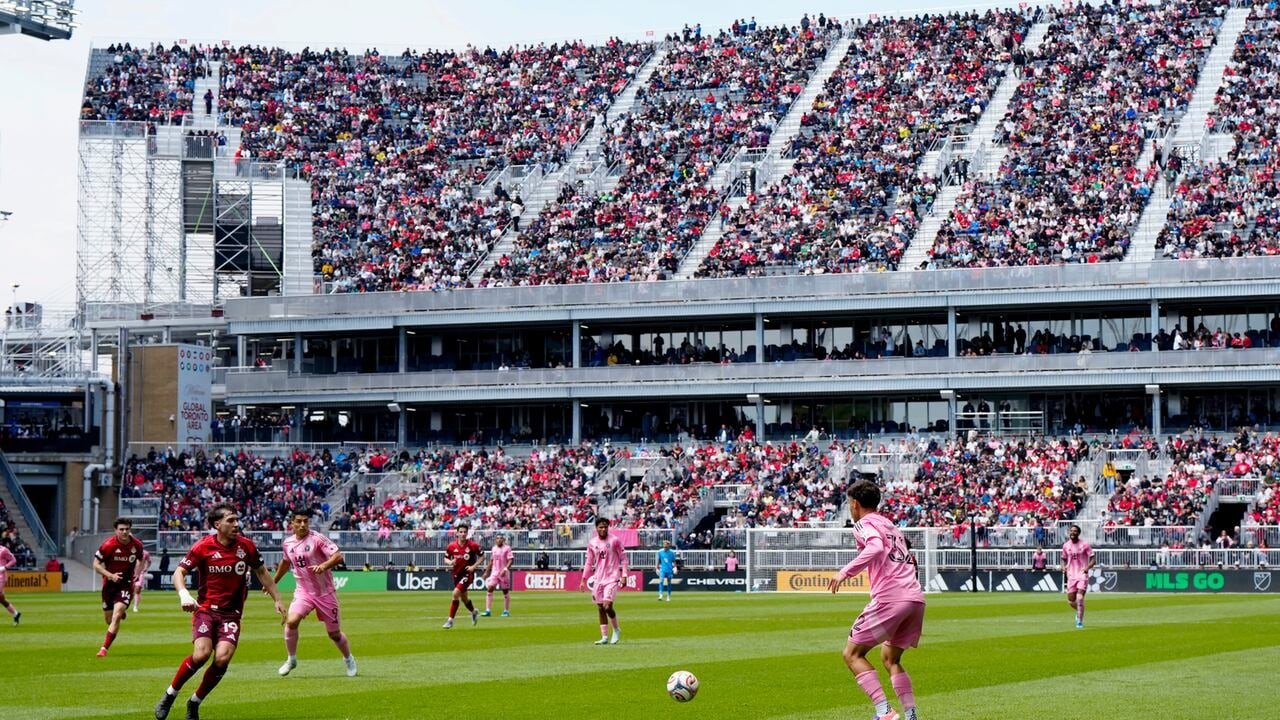
Toronto's expanded BMO Field received a live World Cup readiness check when Toronto FC hosted Inter Miami in front of a sellout crowd of 44,828.
The match mattered beyond the score because it tested the stadium's new tournament seating under real matchday pressure. About 17,000 spectators were in the new grandstand seats added for the World Cup. That gave organizers a practical look at crowd flow, sightlines, concessions, washroom pressure, entry timing, and how the temporary expansion feels when the building is full.
Inter Miami's 4-2 win brought Lionel Messi attention to the venue, which helped create the type of demand Toronto could see during the tournament. A high-profile player visit is useful for an operations test because it brings early arrivals, busy concourses, heavy media interest, and a crowd with mixed local and visiting support.
Toronto will host six World Cup matches through July 2. That schedule makes BMO Field one of Canada's key tournament sites, and the expanded-capacity test helps identify issues while there is still time to adjust. The point of a rehearsal is not perfection; it is finding friction before the stakes are higher.
Weather is part of Toronto's venue picture. Supporters in uncovered or metal seating areas could face heat, rain, or sudden storms. If weather moves in from Lake Ontario during the tournament, crowd movement and shelter options will need careful management. The stadium experience can change quickly when thousands of people need to move at the same time.
The new stands also raise comfort and movement questions. Temporary or expanded structures can feel different from permanent lower-bowl seating, especially when fans are jumping, singing, and moving in groups. The Inter Miami match gave organizers a realistic sample of sound, motion, and spectator behaviour in those areas.
For Toronto, the rehearsal also carried civic value. Host cities want the World Cup to show a polished version of the city, but the fan experience depends on small details: signage, transit timing, queue management, accessible routes, food service, and how quickly staff can answer basic questions.
For FIFA and local organizers, the main benefit is data. A full stadium reveals what a quiet inspection cannot. It shows where crowds slow down, where views are strongest, which entrances need more staffing, and how the building handles a major broadcast and security operation at the same time.
The rehearsal does not answer every tournament question. World Cup crowds will include more international visitors, more neutral supporters, and more people unfamiliar with the venue. Still, a sellout match with a global star offered a strong pressure test before Toronto's six-match run begins.
The test also matters because World Cup spectators use stadiums differently from regular home crowds. Many arrive earlier, take more photos, look for merchandise, need help finding seats, and may not know the usual transit patterns. That can slow entrances and exits even when the crowd size is similar to a domestic match.
Toronto's next step is turning the live test into adjustments. If queues formed in certain areas, if temporary seating needed clearer wayfinding, or if weather exposure created comfort concerns, organizers still have a short window to refine operations before the first tournament match at the venue.
That makes the Inter Miami match useful even without matching the exact World Cup audience. It provided stress, noise, demand, and movement inside a stadium layout that is still being judged before tournament use by local organizers now in Toronto before June kickoff begins next month.
Read Also: US World Cup security risks show why venue planning now extends beyond stadium seating into transport, hotels, and fan gatherings.