
World Cup Final Ticket Price Hits $32,970 In Latest FIFA Sale
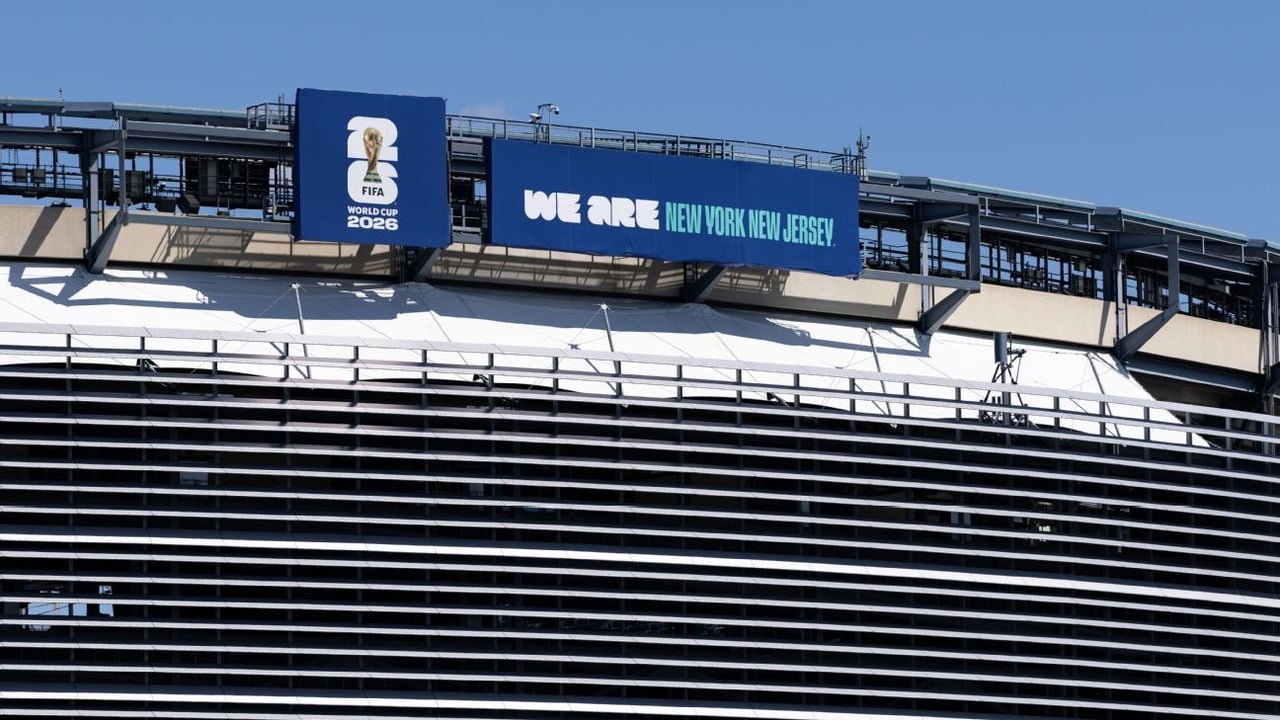
FIFA's World Cup 2026 ticket debate has reached another flash point after best available tickets for the July 19 final at MetLife Stadium were listed at $32,970. The number is not a resale rumor or a social-media screenshot; it is part of FIFA's own latest ticket sale environment for the tournament's biggest match.
The price matters because it arrives after weeks of supporter criticism around dynamic pricing, resale fees, and expensive group-stage inventory. FIFA had already defended its approach by comparing World Cup demand with the U.S. sports market. A final seat near $33,000 makes that defence harder for ordinary supporters to separate from sticker shock.
MetLife Stadium in East Rutherford, New Jersey, will host the final on July 19. That match is the tournament's most valuable ticket because it decides the world champion and sits near the New York media and travel market. Even so, the listing has sharpened the gap between premium global demand and the experience of fans who hoped a North American World Cup would feel accessible.
The final-ticket price is also connected to FIFA's wider resale system. Supporters have faced complaints about official resale listings, high markups, and platform fees. When expensive inventory appears through official channels, the frustration is no longer only about outside sellers. It becomes part of the tournament's own public image.
For fans still trying to attend, the practical lesson is to separate desire from budget discipline. Final tickets will always be scarce, but a price at this level can change an entire trip. Flights, hotels, local transport, food, and matchday movement can push the total far beyond the ticket itself.
The pricing pressure also affects host-city optics. A World Cup depends on packed stadiums, global television, and civic enthusiasm. If supporters feel priced out of the signature match, the tournament can still be commercially successful while losing part of its public goodwill.
FIFA has promoted small numbers of lower-cost tickets across the tournament, but those do not define the fan experience if the most visible listings are extreme. The tension is clear: the organization wants to capture premium demand while also presenting the World Cup shared global celebration.
The next question is whether the final market softens closer to kickoff. Prices can move are eliminated, travel plans change, or sellers adjust expectations. Still, a public $32,970 listing has already become part of the 2026 ticket story, and it will likely be cited whenever supporters discuss affordability.
For now, this is the clearest sign that World Cup 2026 will be judged not only by football quality, but by who can realistically afford to be in the stadium. The final may be the sport's biggest stage, yet the price of entry has become a headline of its own.
The number also changes how supporters evaluate the rest of the tournament. A fan who cannot afford the final may look for group-stage inventory, fan festivals, or local watch events instead. That does not remove demand, but it pushes many people away from the stadium experience FIFA is selling.
It also creates a comparison problem for other premium sports in the United States. FIFA wants access to that market, but the World Cup carries a different promise because it is a national-team event with global public meaning. When prices resemble luxury entertainment, supporters question whether that promise still holds.
The final is still likely to draw attention regardless of price. The bigger issue is reputation. A sold seat does not automatically mean a happy fan base, and the 2026 tournament will be remembered partly through the cost stories attached to its most important matches.
Read Also: Dai Dai official song gives World Cup 2026 a new cultural headline away from ticket-price pressure.