
Fed Square World Cup Screening Ban Puts Australia Fan Access In Focus

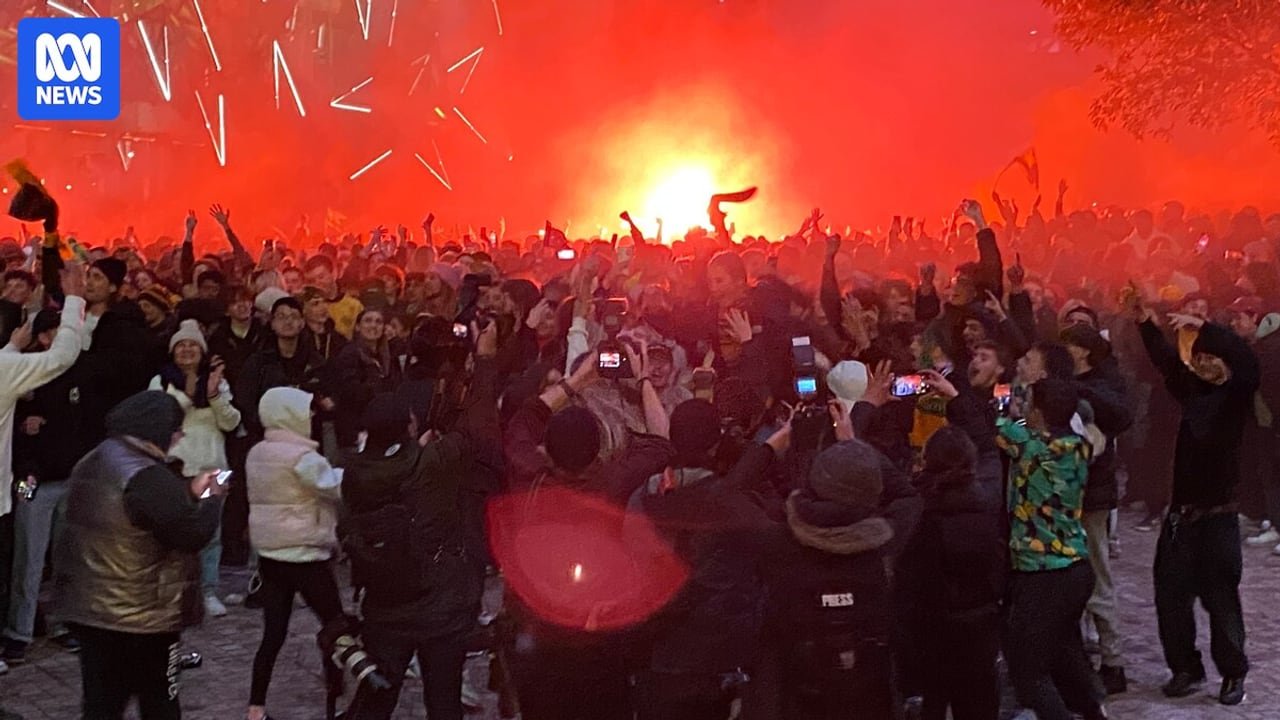
Football Australia's call for Melbourne's Federation Square screening ban to be reversed has turned a local venue decision into a World Cup 2026 fan-access issue. The Melbourne Arts Precinct has said Fed Square will not host public screenings of this year's FIFA World Cup matches because of safety concerns linked to previous crowd behaviour.
The decision matters because Fed Square has been one of Melbourne's most visible football gathering places. It served as a live site during the 2023 Women's World Cup, when thousands of supporters watched Matildas matches on the big screen. Those images became part of Australia's wider football memory, but they also created a safety debate.
The key incident cited in the latest decision came after a 2023 semifinal screening that drew an estimated 12,000 fans. Flares were lit after Sam Kerr's equalising goal, filling the square with smoke and raising crowd-management concerns. Venue managers now argue that public safety has to come before another large open screening program.
Football Australia is pushing back because the Socceroos' World Cup campaign is a national moment, not only a television event. Public screenings let supporters gather without travelling overseas or paying high ticket prices. They also help casual fans feel connected to a tournament that will be played across North America in difficult viewing windows for Australia.
The challenge is finding a workable balance. A live site needs security, entry management, emergency planning, transport coordination, and clear rules on prohibited items. If those protections are not strong enough, one small group can damage the experience for thousands. If the venue disappears completely, the wider football community loses a central shared space.
Australia's match schedule makes the issue more sensitive. The Socceroos are preparing for a difficult group against Turkey, the United States, and Paraguay. When matches are far away and travel costs are high, local watch sites become part of the national team's connection with supporters.
The Fed Square dispute also shows why host and non-host cities face different World Cup pressures. Los Angeles, Vancouver, and other host markets are building official fan activity around stadium demand. Melbourne is not hosting matches, but it still needs a fan plan because Australia's team creates demand at home.
A reversal would likely require more than a simple yes. The venue would need confidence that crowd behaviour, flare risk, staffing, and police coordination can be controlled. Football Australia would need to show that the social value of a live site can be protected without repeating the problems that led to the ban.
For supporters, the practical point is to wait for confirmed official screening locations before making group plans. Informal gatherings may still emerge, but official live sites usually offer safer crowd control, better screens, transport planning, and clearer family access. That is exactly why losing Fed Square is a larger issue than one venue calendar.
What remains yet to be confirmed is whether Melbourne Arts Precinct and Football Australia can find a compromise. If they do, Fed Square could again become a public football stage. If they do not, Australia will need alternative live-site options quickly, because the tournament window is closing fast.
The decision also affects how Australian football presents itself after the Matildas' home-tournament momentum. Big public screens create shared memory for people who may not follow every qualifier or club match. Losing a central gathering point would make the Socceroos' campaign feel more private, even if television coverage remains available.
That is why the safest solution may involve stricter access rather than no access. Ticketed capacity, bag checks, extra security, family sections, and flare enforcement could all be part of a revised plan if the venue and football authorities decide the community value is worth protecting.
Read Also: Iran FIFA host dispute is another World Cup operations issue where access and respect are central to the tournament build-up.
Related Articles
All News
World Cup 2026 Squad Deadlines Set Key Roster Decisions
World Cup squad rules set May 11 provisional lists, May 25 player release, and June 2 final confirmation for all 48 teams.
Read Article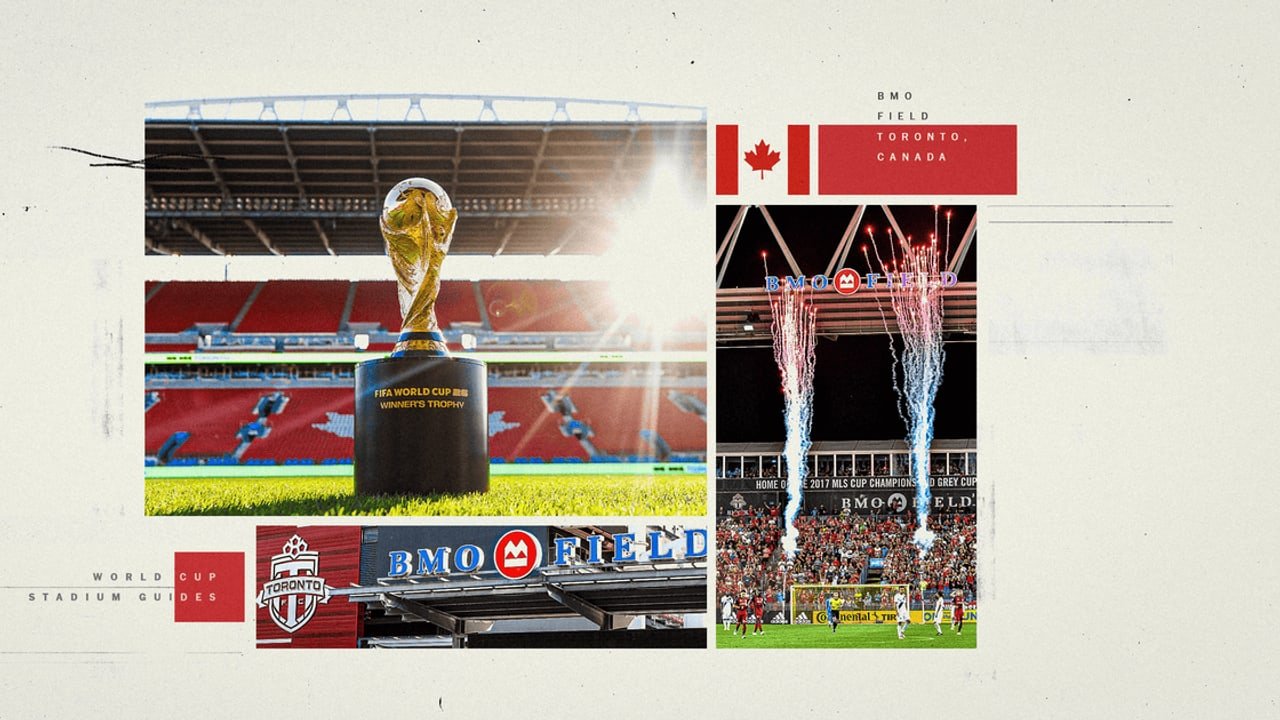
Toronto Stadium Profile Puts Canada's World Cup Atmosphere In Focus
Toronto Stadium will bring Canada's soccer history, lakeside location, and intense home support into the World Cup 2026 venue story.
Read Article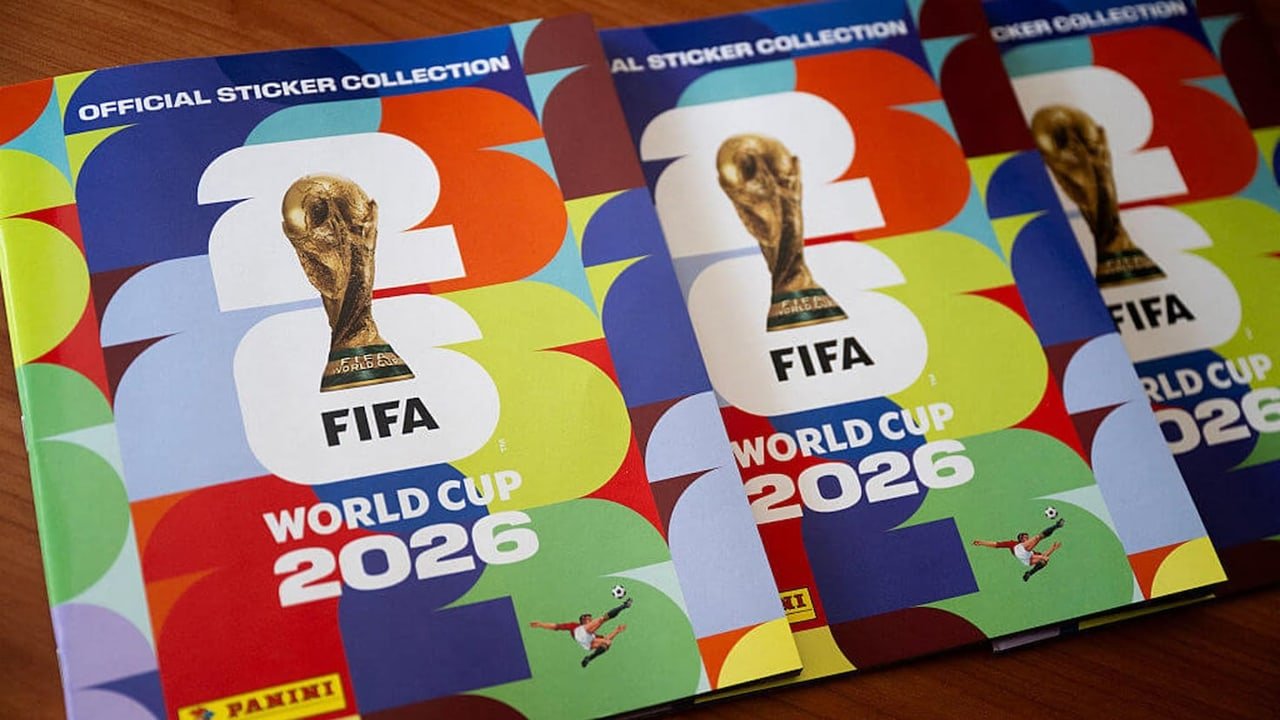
FIFA Ends Panini Sticker Era With Topps Deal From 2031
FIFA has agreed a long-term collectibles partnership with Fanatics and Topps from 2031, ending Panini's World Cup sticker run after the 2030 cycle.
Read Article