
World Cup 2026 Tickets Stay On Sale As High Prices Test Fans

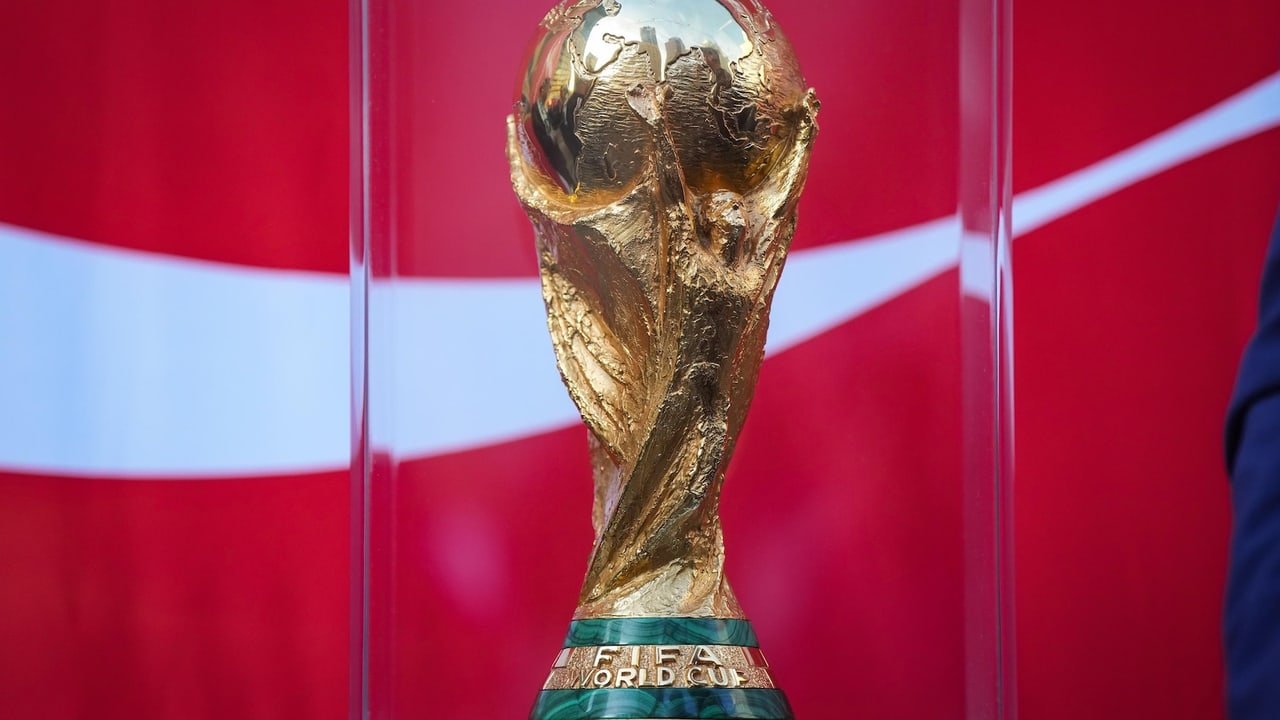
World Cup 2026 tickets remain on official general sale for most group-stage matches, but availability does not mean affordability. The tournament begins on June 11, and many fans can still buy seats through FIFA's last-minute sales route, yet the most visible prices are often extremely high.
The United States opener against Paraguay in Los Angeles has been listed with top-end prices reaching 4,105 dollars. Many other available seats sit around 2,000 dollars. That pricing creates a clear gap between global demand for the tournament and what many ordinary supporters can realistically pay.
The cheapest current official prices start at 380 dollars for several matches, including Curacao against Ivory Coast in Philadelphia. The same 380-dollar level has also appeared for fixtures such as Austria against Jordan, New Zealand against Egypt, Jordan against Algeria, Cape Verde against Saudi Arabia, Algeria against Austria, and DR Congo against Uzbekistan.
Ticket category differences are making the market harder to read. Front Category 1 is the most expensive level and Category 4 is the cheapest, but demand and match profile can create surprising comparisons. A Category 3 seat for USA against Paraguay has been listed far higher than a Category 2 seat for Austria against Jordan.
Dynamic pricing is now part of the tournament for the first time. FIFA can adjust prices as demand changes, which means fans may see movement before kickoff. That can encourage some buyers to wait, especially when expensive inventory remains available close to the event.
High-demand teams are not completely out of reach for fans willing to pay. Tickets for matches involving Argentina, Brazil, Spain, France, and England have still appeared in official availability. Argentina listings have ranged from 2,475 to 2,925 dollars, while Brazil tickets have been listed between 2,280 and 2,310 dollars.
Resale is another sensitive area. FIFA runs an official marketplace, but prices there can be extreme because sellers set their own figures. Four final tickets were listed at just under 2.3 million dollars each, and FIFA can take a 30% cut from resale transactions without directly setting the asking price.
For supporters, the safest route remains the official ticketing system, but the smartest decision may require patience. Fans should compare match category, stadium location, travel cost, and resale terms before buying. A cheaper seat can become expensive quickly if the flight, hotel, and local transport costs are high.
The pricing debate is sharper because many group matches are still available so close to kickoff. Scarcity normally explains premium event prices, but visible availability makes supporters question whether the market is being tested too aggressively. Dynamic pricing adds another layer because fans cannot know whether waiting will help or hurt them.
The expanded 48-team format also spreads demand unevenly. Matches involving hosts, Argentina, Brazil, England, France, or Spain can command very different prices from fixtures involving debutants or smaller markets. That is why one category label does not tell the full story. Match identity and stadium location now matter heavily.
Resale rules make planning even more complicated. A fan who buys late may find official seats, marketplace seats, and third-party listings all competing for attention. The safest comparison is not just price; it is refund protection, transfer rules, seat validity, and whether the seller is inside FIFA's official system.
What remains yet to be confirmed is whether official prices soften as kickoff nears. FIFA has defended its pricing approach, but unsold inventory and supporter pressure could still affect availability patterns. Fans who have flexible travel plans may keep watching, while those tied to flights and hotels have less room to wait.
The core fan question is now practical rather than emotional: which match is worth the full trip cost? For many supporters, a 380-dollar ticket may still be manageable only if the city, travel dates, and accommodation line up. That makes transparent official availability more important as the tournament window tightens.
Read Also: Australia training camp plans show how teams are also entering the final practical phase before kickoff.
Related Articles
All News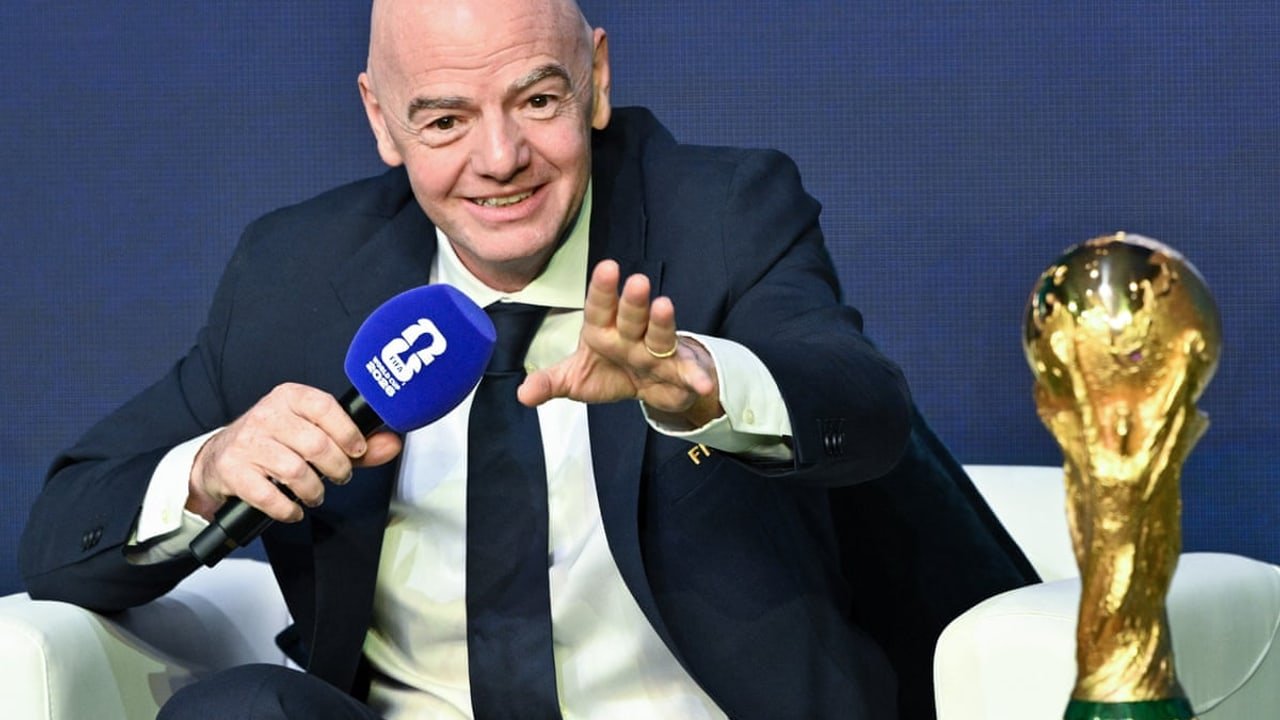
European Federations Still Face World Cup Cost Gap After FIFA Fund Rise
FIFA raised the World Cup 2026 prize and participation fund, but several European federations still expect costs to exceed tournament payments.
Read Article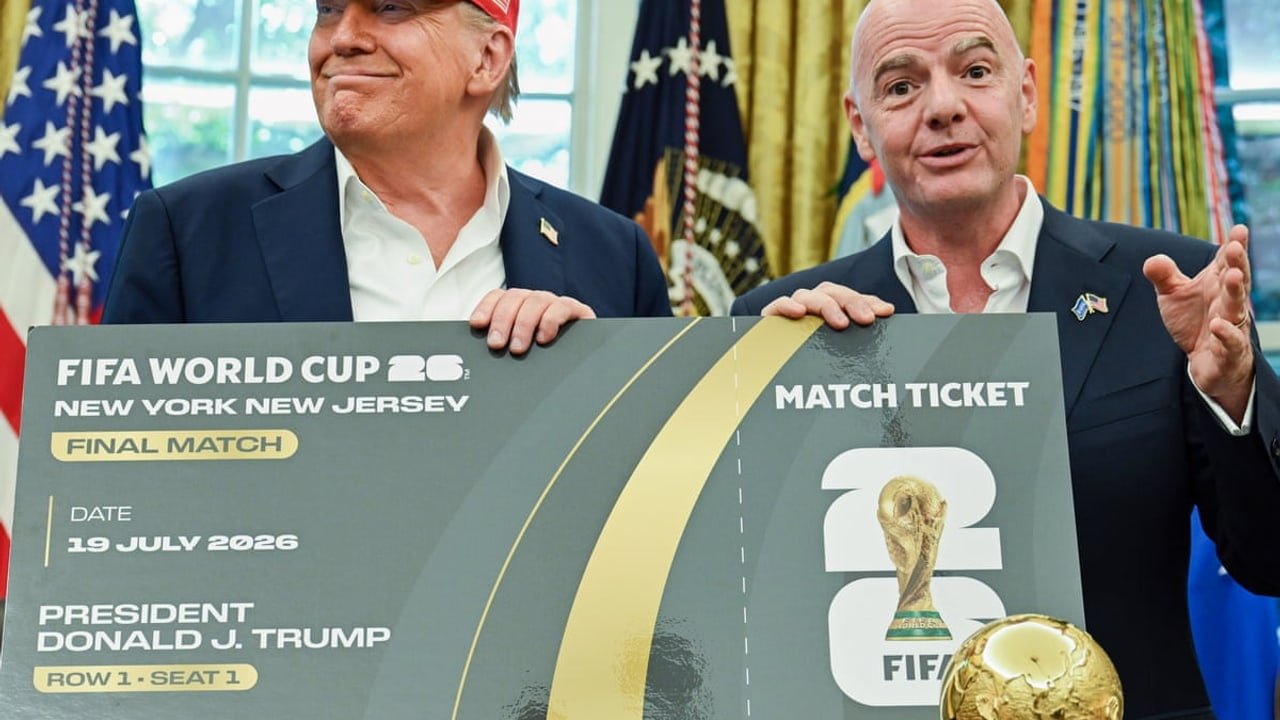
FIFA Adds Lower-Cost Suite Option As World Cup Hospitality Sales Continue
FIFA is still selling World Cup 2026 hospitality packages for 102 of 104 matches, with a lower-cost suite option added for selected fixtures.
Read Article
Airbnb Launches World Cup 2026 Fan Experiences
Airbnb has launched a set of World Cup 2026 fan experiences built around former players, host-city activities, pitch access, design sessions, and matchday events.
Read Article