
Telemundo And U.S. Soccer Extend Spanish-Language Deal Through 2030
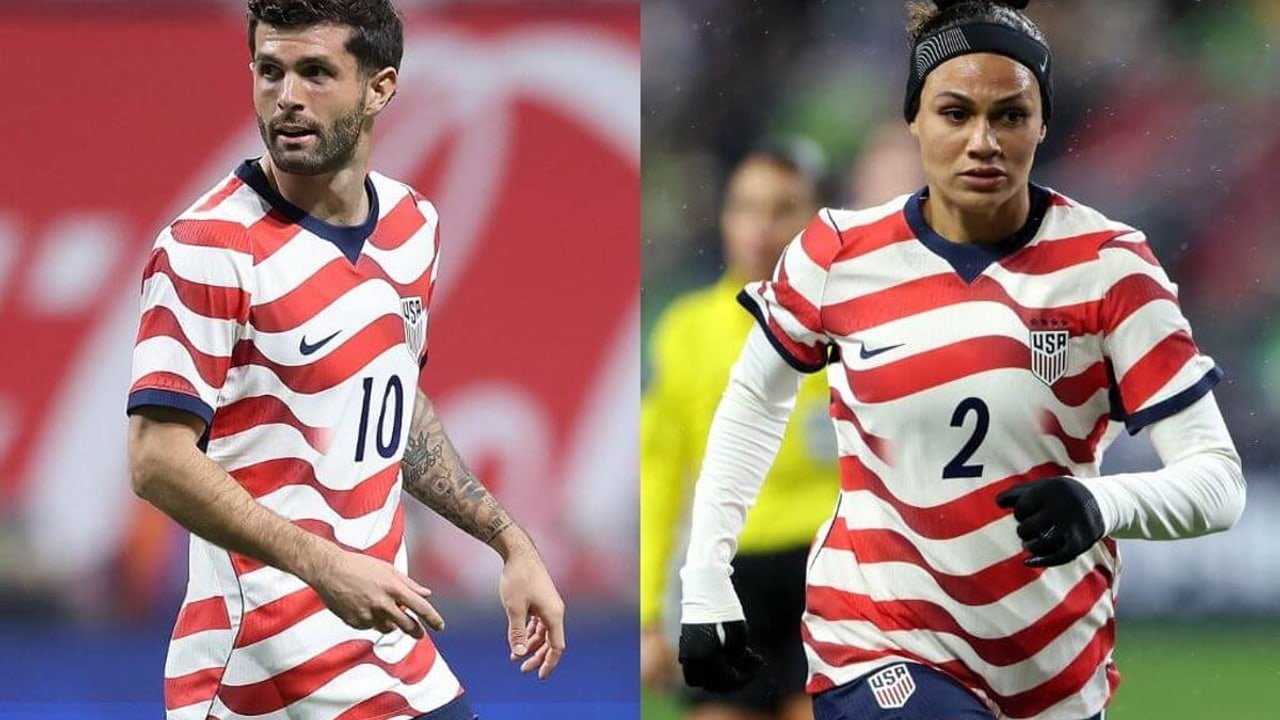
Telemundo and U.S. Soccer have extended their Spanish-language rights agreement through 2030, giving viewers a clearer national-team coverage path across the next two World Cup cycles. The deal keeps Telemundo exclusive Spanish-language broadcast home for U.S. men's and women's national-team matches.
The agreement is built around more than 20 U.S. national-team matches each year. Coverage is set to run across Telemundo, Universo, Peacock, and digital platforms, with availability in the United States and U.S. territories. That mix matters because fans no longer follow national teams through one screen or one channel.
The rights package includes men's and women's national-team matches, high-profile international friendlies, the SheBelieves Cup, selected competitions such CONCACAF Nations League, and youth national-team matches. That gives the Spanish-language audience a year-round connection rather than only a major-tournament window.
For World Cup 2026, the deal is important even though it is not the same match rights. It covers U.S. Soccer-controlled national-team content and events, while the World Cup itself has separate broadcast arrangements. The practical impact is that Spanish-language viewers should see more consistent U.S. national-team coverage before and after the tournament.
That distinction matters for fans. A U.S. friendly, a Nations League match, a SheBelieves Cup game, and a World Cup match can sit under different rights structures. The Telemundo extension does not erase those differences, but it strengthens the national-team lane that helps supporters follow squad development, coaching decisions, and player form.
The timing also fits the larger American soccer calendar. The United States will co-host the 2026 men's World Cup with Mexico and Canada, then continue through a long cycle that includes the 2027 Women's World Cup period and the buildup toward 2030. A rights agreement through 2030 lets the broadcaster plan coverage beyond one tournament.
Spanish-language coverage is especially important in the U.S. soccer market because the audience is large, passionate, and often connected to multiple national teams. A viewer may follow the USMNT, the USWNT, Mexico, Argentina, Colombia, or another country, sometimes all in the same household. Strong Spanish-language programming makes those audiences easier to serve without treating them afterthought.
For U.S. Soccer, the deal also supports visibility. The men's team will carry host-nation pressure in 2026, while the women's team remains one of the country's most valuable sports properties. Regular Spanish-language broadcasts can help both teams reach households that may not rely on English-language sports television.
The Peacock element is also important. Streaming gives fans a practical option when matches fall outside traditional viewing routines, and it helps younger audiences follow national teams without depending on cable. The best rights packages now need linear television and streaming to work together, not compete for attention.
What remains yet to be confirmed is how every annual match window will be scheduled and promoted. The framework is clear, but specific match assignments, kickoff times, and shoulder programming will still arrive event by event. Fans should treat the extension long-term coverage guarantee rather than a full match calendar.
The broader World Cup angle is simple: the U.S. soccer audience is getting more Spanish-language continuity before the tournament begins. That does not decide results on the field, but it changes how supporters follow the story, compare players, and stay connected to national-team decisions across a crowded football year.
The youth-team portion also deserves attention. Spanish-language exposure for youth national-team matches can make the player pathway easier to follow before names reach senior tournaments. That helps viewers understand call-ups earlier, especially when a young player moves from a youth event into a senior camp within one cycle.
Read Also: Messi World Cup decision remains one of the biggest unresolved stories before the 2026 tournament.