
Infantino Defends World Cup Ticket Prices As Fan Anger Grows

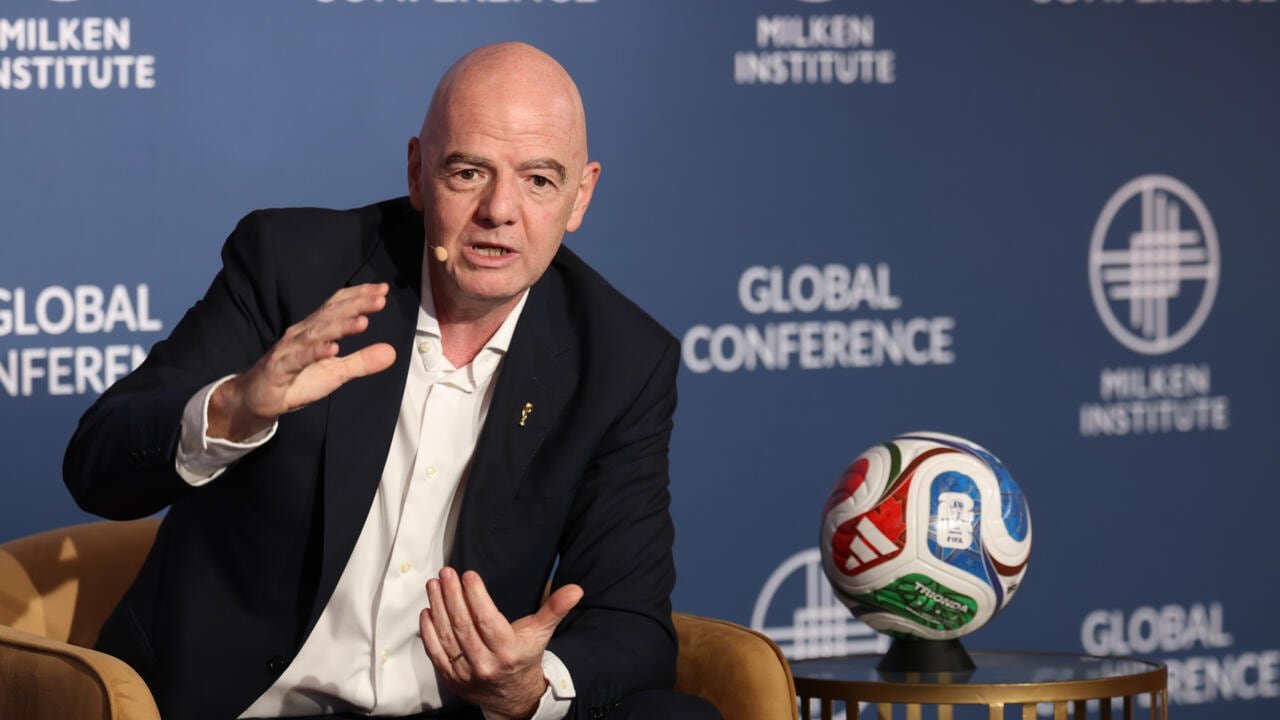
Gianni Infantino has defended FIFA's World Cup 2026 ticket policy after weeks of criticism over high official prices and extreme resale listings. The FIFA president spoke in Beverly Hills while the tournament's fan market was already under pressure from expensive categories, dynamic pricing, and a resale system that has confused many buyers.
The controversy is no longer only about one expensive seat. Football Supporters Europe has challenged FIFA's pricing approach with a complaint to the European Commission, arguing that supporters are being exposed to excessive costs. FIFA's marketplace has also drawn attention because final tickets were listed at more than 2 million dollars each by sellers.
Infantino's defence is built around demand and the legal environment in the United States. FIFA can operate inside a market where resale above face value is permitted in many situations, and the organisation argues that visible resale prices do not automatically mean those prices become the real market. A listing can be spectacular without becoming a completed sale.
That explanation may be technically accurate, but it does not remove the fan concern. Supporters planning a World Cup trip need to make decisions now on flights, hotels, match cities, and ticket categories. When prices move quickly or resale listings look detached from normal budgets, the safest planning window becomes harder to read.
The official market is also complicated because cheaper seats and premium inventory are both visible at the same time. Some group-stage tickets remain available, while high-profile matches involving the hosts or major contenders can still sit far above what many fans expected. The result is a tournament that feels open for purchase but difficult to afford.
Dynamic pricing makes the debate sharper. If prices can move with demand, buyers have to decide whether to purchase early or wait for possible softening. Waiting can save money if inventory remains heavy, but it can also raise travel costs or remove better seat choices. That uncertainty is now part of the World Cup buying experience.
The July 19 final at MetLife Stadium is the symbol of the problem because resale listings around that match create the strongest headlines. But the more important fan issue is broader: how ordinary supporters compare official sale, official resale, hospitality, travel packages, and third-party offers without losing protection or overpaying for unclear inventory.
Hospitality availability adds another layer because premium packages can appear beside standard ticket options during the buying journey. That can make a supporter believe normal seats have disappeared even when different inventory types are being shown together. Clear separation between standard tickets, official resale, and hospitality matters because each product has different pricing logic and buyer expectations.
FIFA will keep arguing that World Cup demand is exceptional, especially for the first 48-team edition and the first men's tournament spread across the United States, Canada, and Mexico. Supporter groups will keep pushing the opposite question: whether the global game is drifting too far from the people who fill stadiums and travel across continents.
The legal pressure also changes the tone of the debate. A normal pricing complaint can fade once matches begin, but a formal consumer challenge keeps the issue active while fans are still buying. That means FIFA's ticket policy will be judged not only by revenue, but by whether the official market feels transparent enough for international supporters making expensive travel plans.
The practical advice for fans is still to stay inside official channels, compare total trip cost rather than ticket price alone, and avoid sellers who cannot clearly verify seat category and transfer terms. What remains yet to be confirmed is whether visible availability forces prices to move again before kickoff.
Read Also: FOX broadcast lineup plans are also shaping how fans will experience the tournament from home.
Related Articles
All News
World Cup Readiness Watch Tracks Tickets, Travel And Injury Issues
World Cup 2026 planning is being shaped by ticket pricing, transport costs, hotel demand, team base camps, and late player fitness questions.
Read Article
World Cup 2026 Tickets Stay On Sale As High Prices Test Fans
Many World Cup 2026 group-stage tickets remain on official general sale, but high prices and dynamic pricing are still shaping fan demand.
Read Article
European Federations Still Face World Cup Cost Gap After FIFA Fund Rise
FIFA raised the World Cup 2026 prize and participation fund, but several European federations still expect costs to exceed tournament payments.
Read Article