
India and China Still Lack World Cup 2026 Broadcast Deals

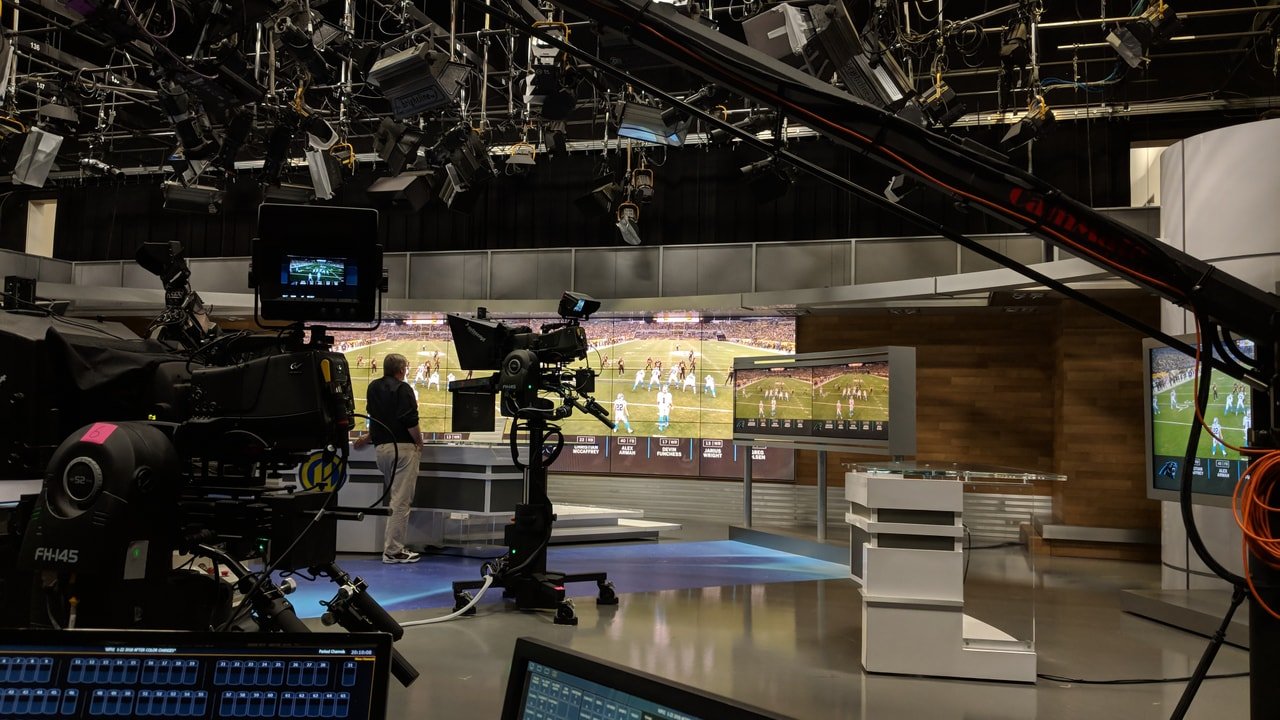
India and China still lack confirmed FIFA World Cup 2026 broadcast deals five weeks before kickoff. The delay now matters beyond media-rights accounting. It affects how two huge audiences prepare to watch the opening match, follow group-stage fixtures, and trust legal viewing routes.
In India, the central issue is valuation. A Reliance-Disney joint venture has offered 20 million dollars for local rights, while FIFA has been seeking a much stronger fee. Sony also held talks, but the market still has no public agreement that gives fans a confirmed broadcaster.
China remains unresolved as well. That is a major signal because Chinese digital and social viewing carried enormous weight during the 2022 tournament. Without a public 2026 deal, the two most populous countries are both sitting outside the confirmed broadcast map.
Why The India Rights Gap Matters
India is a difficult commercial case because the tournament will be played across the United States, Canada, and Mexico. Many matches will land late at night or early in the morning for Indian viewers. That timing can reduce live audience reach, advertising value, and the confidence broadcasters need before paying a premium fee.
The cricket economy also changes the calculation. Reliance-Disney already carries heavy sports commitments, and football does not command the same commercial certainty in India. Therefore, a broadcaster may want a lower-risk price even though the World Cup remains one of the strongest global sports properties.
For fans, the practical issue is simple. India viewing options can only become fully useful once the official rights-holder is confirmed. Until then, channel names, streaming prices, language feeds, and device support remain subject to confirmation.
China Deal Still Waits For Clarity
China remains one of the world's largest football audiences, yet its 2026 broadcast route is still yet to be confirmed. FIFA has previously highlighted China's huge digital and social viewing footprint from Qatar 2022. That makes the lack of a public deal more important than a routine rights delay.
A late agreement is still possible because broadcasters can move quickly when rights, advertising, and platform plans align. However, every week without an announcement reduces promotion time. It also narrows the window for technical setup, app placement, affiliate distribution, and viewer education.
The gap also creates a planning problem for FIFA sponsors. Big-market broadcast uncertainty can affect campaign timing, social promotion, and matchday activation. That is why the delay in China sits inside the wider broadcasting hub conversation, not just a local television negotiation.
There is also a consumer-trust issue. Late rights deals often leave room for fake streaming pages, recycled channel lists, and unsupported social posts. Fans in both countries should avoid unofficial packages until the final rights-holder names the platform, territories, and access terms.
A confirmed deal would immediately change the story. Once a broadcaster is named, the focus can move from uncertainty to coverage details, including match availability, highlights, shoulder programming, and whether mobile streaming carries the same fixtures as television.
How Fans Should Read The Situation
Fans in both markets should wait for official broadcaster confirmation before trusting channel lists. The safest route is still a rights-holder announcement with television, streaming, pricing, and language details. Until then, viewing access in India and China remains yet to be confirmed.
The FIFA World Cup 2026 schedule is already fixed, so the rights delay is now a race against the calendar. Broadcasters need time to sell advertising and guide viewers. Fans need time to decide whether they will watch on television, mobile, or connected TV.
The wider broadcast map remains active across many other countries. That makes India and China stand out because both markets usually matter to tournament reach. FWC Mania will keep this story in the World Cup 2026 news archive until an official deal changes the viewing picture.
Related Articles
All News
Broadcasting Guide Expanded With Market Coverage and Viewing Structure
The broadcasting page now covers rights structure, regional viewing information, streaming context, and fan-friendly ways to plan how to watch the tournament.
Read Article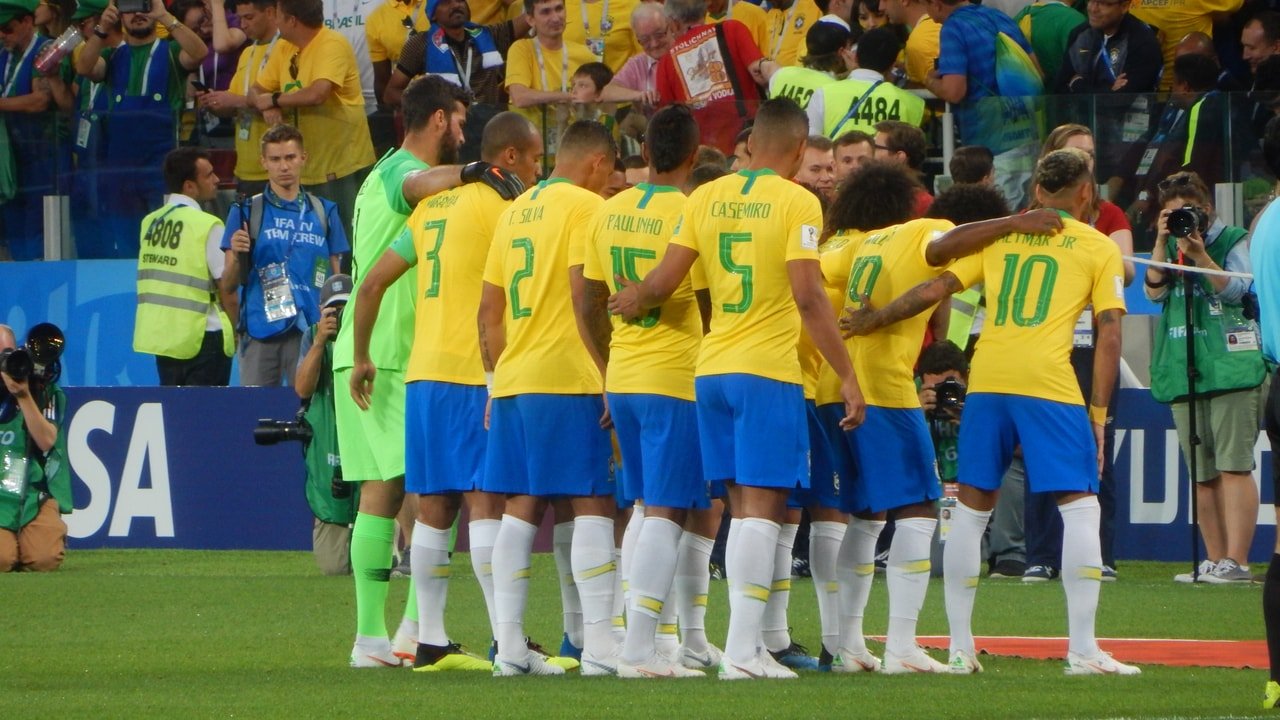
Casemiro Backs Neymar For Brazil's World Cup 2026 Squad
Casemiro says Neymar can still help Brazil at World Cup 2026 if his fitness reaches the level Carlo Ancelotti needs.
Read Article
Matheus Cunha Rest Plan Gives Brazil A World Cup 2026 Boost
Brazil and Manchester United have aligned on a Matheus Cunha rest plan designed to protect his World Cup 2026 readiness.
Read Article