
Fed Square World Cup Screenings Restored After Government Intervention
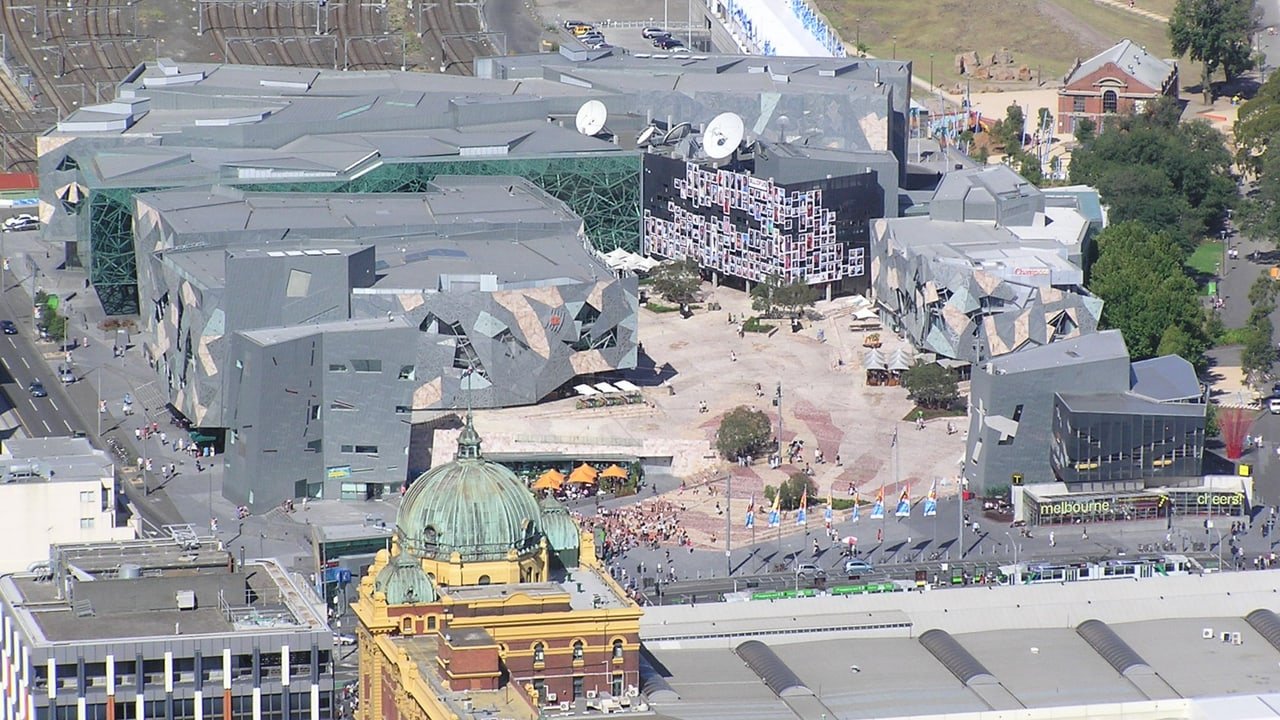
Melbourne's Federation Square is back in the World Cup 2026 fan plan after Victoria's premier intervened to overturn the decision that had removed public screenings from the venue. The reversal means supporters will again be able to gather at one of Australia's most visible football meeting points during the tournament.
The original cancellation came from the Melbourne Arts Precinct Corporation, which manages Fed Square. Its concern was safety after previous public football events included flares, crowd pressure, and dangerous behaviour by a small number of attendees. The decision triggered immediate criticism from supporters, former players, and Football Australia because Fed Square has become closely tied to Socceroos viewing culture.
Premier Jacinta Allan has now stepped in and said the screenings will go ahead. The public message was not a soft promise. It came with a security condition: police and security will be present, and there will be zero tolerance for bad behaviour. That wording makes the restoration a fan-access win, but not a return to loose event management.
The safety background still matters. Fed Square's managers had pointed to past incidents, including the lighting and throwing of flares, injuries to attendees, and more than 100 flares reportedly left after a previous Socceroos screening. Those facts explain why the venue tried to withdraw. They also show why the restored plan will need stronger entry control, staffing, and emergency procedures.
For Australian football, the decision is bigger than one screen in Melbourne. Federation Square has carried some of the country's strongest World Cup images since the Socceroos returned to the tournament stage in 2006. A central live site gives families, casual fans, and diehard supporters a shared place to watch matches that many people cannot attend in North America.
Football Supporters Association Australia welcomed the reversal common-sense result for fans. The group's point is easy to understand: the vast majority of supporters want a safe, noisy, communal watch site, not a cancellation caused by a small group. The challenge is turning that principle into an event setup that protects the crowd without killing the atmosphere.
The decision also gives Football Australia a better platform for the Socceroos' group campaign. Australia are preparing for matches against Turkiye, Paraguay, and the United States. Those fixtures will attract attention at home because the team are playing in a tournament hosted across distant time zones, making domestic live sites more important for national connection.
There is a political layer too. The Melbourne Arts Precinct Corporation is owned by the Victorian government, which made the premier's intervention more than outside pressure. The government is now effectively responsible for making sure Fed Square has the support it needs to host the screenings safely.
That support may include police deployment, security checks, capacity planning, clearer crowd routes, and stricter rules around prohibited items. It may also require alternative overflow locations if demand becomes too large. Fed Square works because it is central and symbolic, but those same qualities can create crowd-density problems when the Socceroos produce a major moment.
For fans, the practical takeaway is positive but incomplete. The screenings are back, yet specific match arrangements, crowd rules, opening times, and any additional live-site locations remain details to watch. Supporters should expect a more controlled environment than past gatherings because the reversal was built around safety assurances.
The restored plan keeps one of Australia's most recognizable World Cup traditions alive. It also gives Melbourne a second chance to show that public football gatherings can be safe, inclusive, and intense at the same time. If the event is managed well, Fed Square can again become a national football stage rather than a case study in crowd-risk cancellation.
Read Also: Telemundo coverage legends show how broadcast plans are also taking shape before World Cup 2026.