
Atlanta Runs World Cup 2026 Mass Casualty Drill

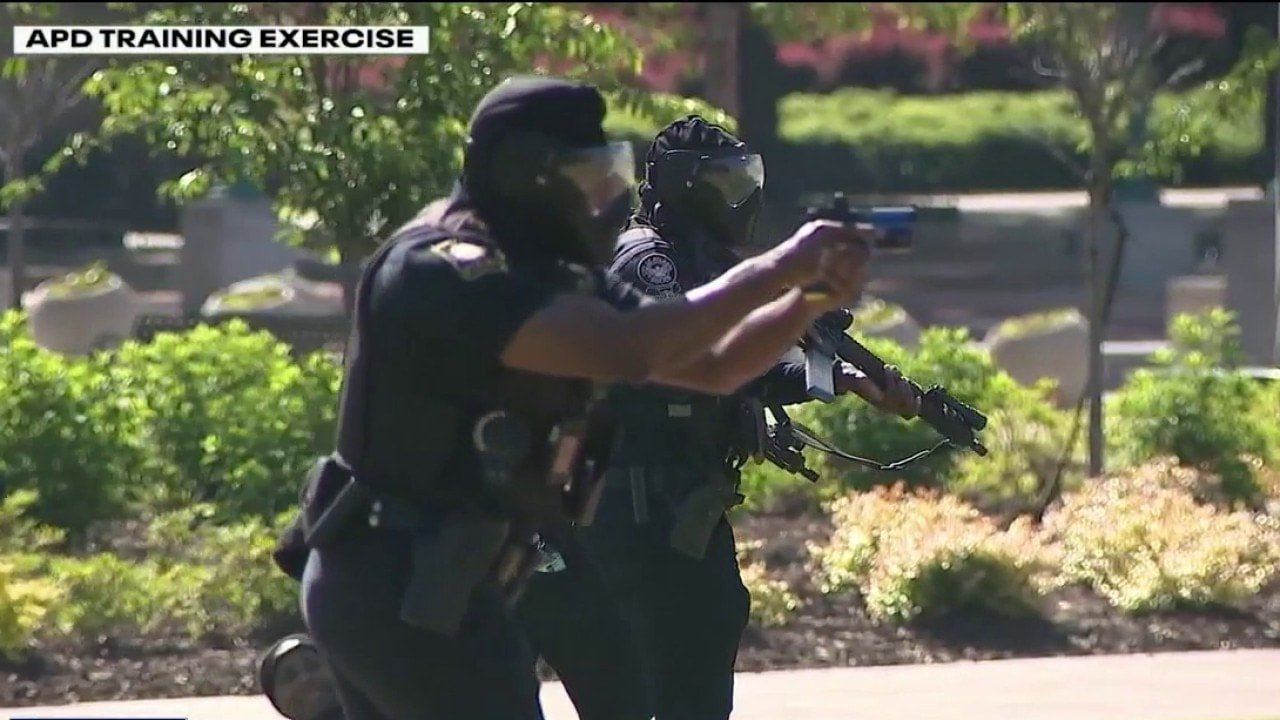
Atlanta first responders held a full-scale mass casualty training exercise at Centennial Olympic Park as the city prepares for World Cup 2026 crowds. The drill involved the Atlanta Police Department, Atlanta Fire Rescue Department, and Grady EMS in an active shooter scenario built around stopping violence, securing the park, and moving injured people toward care.
The exercise included about 100 police officers and approximately 50 firefighters, while another local report placed the wider first-responder footprint at more than 150 participants including EMTs. Centennial Olympic Park was chosen because officials expect large fan fest crowds there during the tournament. That makes the drill directly connected to how Atlanta plans to manage public gatherings beyond the stadium itself.
Why Centennial Olympic Park Was Chosen
Centennial Olympic Park is not a random training location. It sits in downtown Atlanta near major visitor routes and has a deep event-security history from the 1996 Olympics. Officials referenced the 1996 bombing response as part of the institutional learning behind the latest drill, especially the need for collaboration between city police, federal partners, state investigators, fire teams, and medical responders.
For World Cup 2026, the park's role matters because stadium security is only one part of the safety map. Public viewing sites, transport corridors, hotels, restaurants, and downtown gathering points all carry crowd-management pressure. A major tournament can concentrate thousands of people in places that are not built like stadiums but still require stadium-level planning.
The Atlanta host venue has its own controlled event perimeter, but supporters will spend many hours outside Mercedes-Benz Stadium. They will move between fan events, downtown hotels, MARTA stations, bars, and public parks. That is why emergency rehearsals away from the stadium can be just as important as gate screening inside the venue.
What The Drill Signals
The drill signals that Atlanta is treating the tournament as a citywide operations challenge. Police, fire, and emergency medical response teams need shared timing, radio discipline, triage routes, staging locations, and decision authority. In a fast-moving incident, the first few minutes can decide how quickly an area is secured and how efficiently injured people receive care.
The training also included a clear response sequence: police enter first to identify and neutralize the threat, then fire and EMS teams move in for triage once the area is safe enough. That sequence is important because a public fan festival does not operate like a seated stadium bowl. People can be scattered across lawns, walkways, food areas, sponsor zones, and transit approaches.
The active shooter scenario is difficult, but it is also a useful stress test for crowd events. It forces agencies to practice movement through a crowded public space, coordination between armed response and medical rescue, and communication with event staff who may not be emergency professionals. It also helps reveal bottlenecks before real tournament crowds arrive.
Travel planning for Atlanta should include safety basics without panic. Supporters should know their arrival route, identify return transit before kickoff, keep phones charged, and follow official instructions at public events. That kind of preparation is simple, but it reduces confusion when crowds are heavy or streets are redirected.
Tournament Impact For Atlanta
Atlanta is one of the most important US host cities because Mercedes-Benz Stadium is scheduled for seven World Cup matches, including a semifinal. That role brings more than matchday traffic. It brings visiting supporters, media, sponsors, workers, volunteers, and public-event crowds into the downtown core across several weeks.
The match schedule will spread demand across group-stage and knockout dates, but public events can create crowd spikes even when the stadium is not hosting a match. A strong safety plan therefore needs repeatable procedures, not one-off matchday staffing. The Centennial Olympic Park exercise is a practical sign that agencies are rehearsing those procedures before the pressure arrives.
The exercise also helps event organizers think beyond the first emergency call. Crowd communication, family reunification, media staging, blocked streets, ambulance access, and reopening procedures all matter after an incident begins. Practicing those layers before tournament week gives Atlanta a stronger operational base.
The final test will be execution during live events. Training cannot remove every risk, but it can make response faster and coordination cleaner. For supporters, the takeaway is that Atlanta is preparing its downtown fan environment as a major operational zone, not simply relying on stadium security to carry the full World Cup 2026 load.
Related Articles
All News
Airbnb Launches World Cup 2026 Fan Experiences
Airbnb has launched a set of World Cup 2026 fan experiences built around former players, host-city activities, pitch access, design sessions, and matchday events.
Read Article
West Hollywood Sets Free World Cup 2026 Fan Zones
West Hollywood will host free World Cup 2026 fan zones at Plummer Park and West Hollywood Park with live match screenings, food, entertainment, and family programming.
Read Article
Los Angeles World Cup 2026 Fan Zones Span 39 Days
Los Angeles has confirmed 10 World Cup 2026 fan zones across the region, mixing free events, ticketed sites, live match screenings, food, music, and community programming.
Read Article